

Cape Verde's World Cup run fuels surge in travel searches

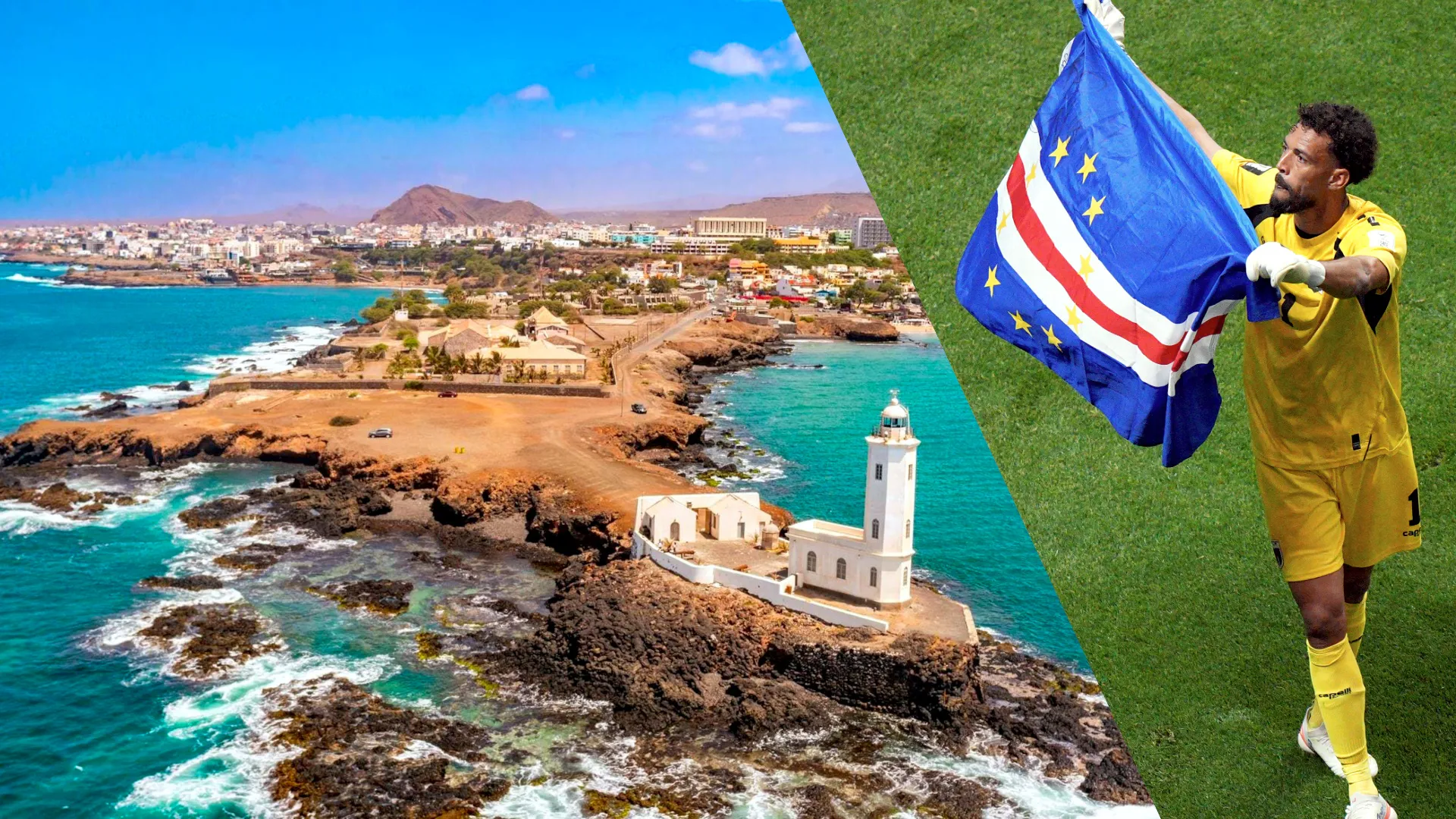
Dhaka: Cape Verde's unexpected run at the World Cup has triggered a sharp rise in global interest in the tiny island nation, with travel searches surging in the United States, Europe, and Asia even after the team's tournament ended.
The country, an archipelago off the coast of West Africa, made its World Cup debut this year. Nicknamed the Blue Sharks, the team became the smallest nation by population to reach the knockout stage, drawing a worldwide following in the process.
Cape Verde advanced from the group stage without a single win, holding Spain scoreless and twice fighting back against Uruguay. In the round of 32, the team pushed defending champion Argentina into extra time before losing 3-2.
As the tournament progressed, Google searches for "Cabo Verde vacation" in the United States jumped by more than 5,000 percent compared with the previous year. Expedia reported a similar trend, with searches from American users rising over 800 percent.
The surge was not limited to the United States. European operator TUI said searches for the destination had doubled since June 2025, while interest from Japan climbed 110 percent over the same period.
For a nation of roughly 525,000 people, the tournament run put Cape Verde in front of an audience many times its population, prompting a wave of curiosity about where the country is and whether it is worth visiting.
Cape Verde consists of 10 volcanic islands, nine of them inhabited, each with a distinct character, ranging from the beach resorts of Sal and Boa Vista to the mountainous terrain of Santo Antão and the volcanic landscape of Fogo.
The Portuguese first settled the previously uninhabited islands in the 15th century, later using them as a hub for shipping routes and the transatlantic slave trade. Cape Verde gained independence from Portugal in 1975, and Portuguese remains widely spoken there.
Tourism was already a major part of the country's economy before the World Cup boosted its profile. Hotels welcomed nearly 1.25 million guests in 2025 alone, and guest arrivals rose 16.8 percent in the first quarter of 2026 compared with the same period a year earlier.
The sector accounts for roughly a quarter of Cape Verde's economy, which had a gross domestic product of about USD 3.1 billion in 2025. American visitors, however, made up just 1.1 percent of the country's foreign hotel guests last year, making the recent search spike notable even though only a fraction may convert into bookings.
Whether Cape Verde's newfound visibility translates into lasting tourism growth remains uncertain. For now, the country has gained global recognition, with millions more people now familiar with its beaches, mountains, and the run of an underdog team that briefly captivated football fans everywhere.