

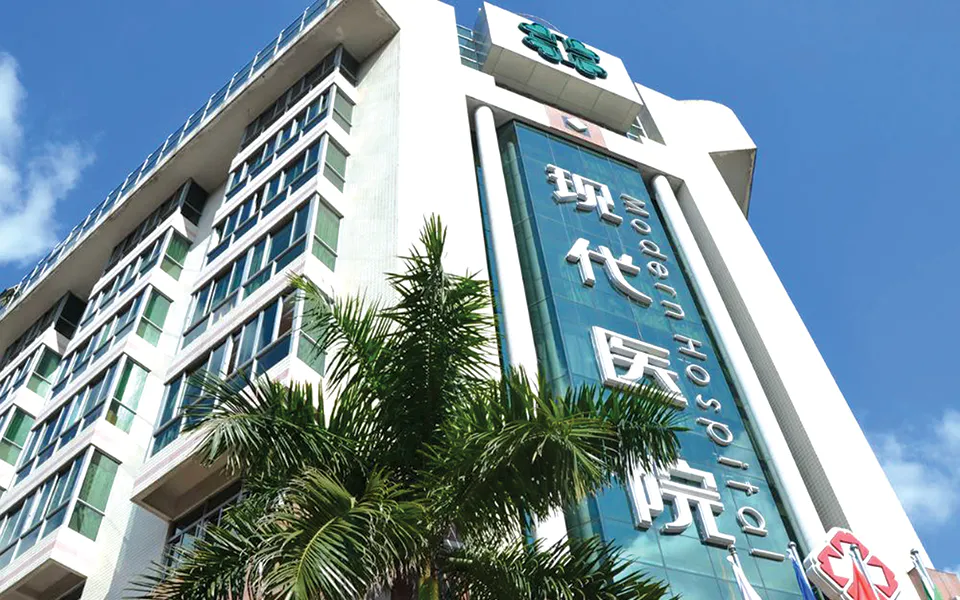
Modern Cancer Hospital Guangzhou deepens presence to attract Bangladeshi patients

Dhaka
: Modern Cancer Hospital Guangzhou (MCHG) is strengthening its presence in
Bangladesh as growing numbers of patients seek specialized cancer treatment in
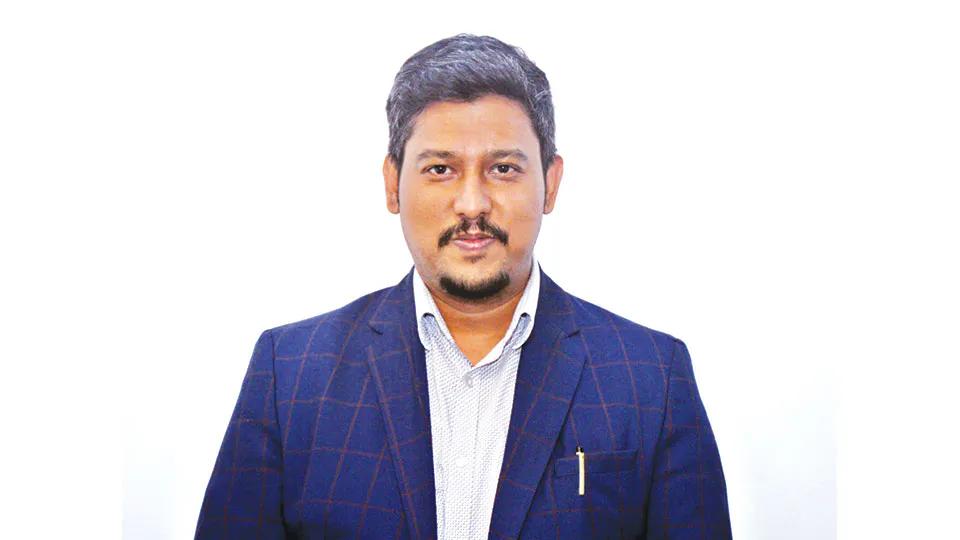
China, according to Emily Sy, Branch Manager of the hospital's Dhaka Office.
Talking
to The Bangladesh Monitor, Emily said Bangladeshi patients are increasingly
choosing MCHG for its specialized cancer expertise and integrative treatment
approach, which combines modern Western medicine with Traditional Chinese
Medicine to reduce pain, minimize side effects, and improve recovery.
The
hospital also provides end-to-end support, including online consultations, visa
assistance, rehabilitation, and long-term follow-up after patients return home.
Positive patient experiences and referrals have contributed to a steady
increase in Bangladeshi patients, with particularly strong growth in 2025.
Specialized
cancer treatment
MCHG
treats a wide range of cancers, including liver, lung, colorectal, breast,
pancreatic, and head and neck cancers, using personalized treatment plans
developed by multidisciplinary teams.
Emily
attributed rising patient numbers to growing awareness of the hospital's
minimally invasive treatment options and its expanding local support network in
Bangladesh.
Comprehensive
patient support
The hospital's Dhaka office assists patients before, during, and after treatment by coordinating medical records, online consultations, visa processing, travel arrangements, and follow-up care with physicians in Guangzhou.
 Emily Sy
To
reduce financial burdens, MCHG offers several complimentary services, including
consultations, interpretation, visa assistance, and airport transfers. Patients
are also encouraged to complete routine diagnostic tests in Bangladesh before
traveling, while the hospital provides advance treatment cost estimates to help
families plan their budgets.
Bangladesh
strategic market
Emily
described Bangladesh as one of MCHG's most important international markets and
its gateway to South Asia. Beyond attracting more patients, the hospital aims
to build long-term partnerships with Bangladeshi healthcare providers and
strengthen professional exchanges.
She
acknowledged that Bangladeshi patients often face challenges related to medical
information, travel logistics, language, and emotional stress. To address these
issues, MCHG maintains a dedicated Bangladesh office and international patient
team to guide patients throughout their treatment journey.
Emily
said the hospital sees healthcare as an opportunity for collaboration rather
than competition. By expanding clinical cooperation and knowledge sharing, she
believes Bangladesh and China can work together to improve access to advanced
cancer care and deliver better outcomes for patients in both countries.