

Asia Pacific demand strains airfreight market despite capacity growth

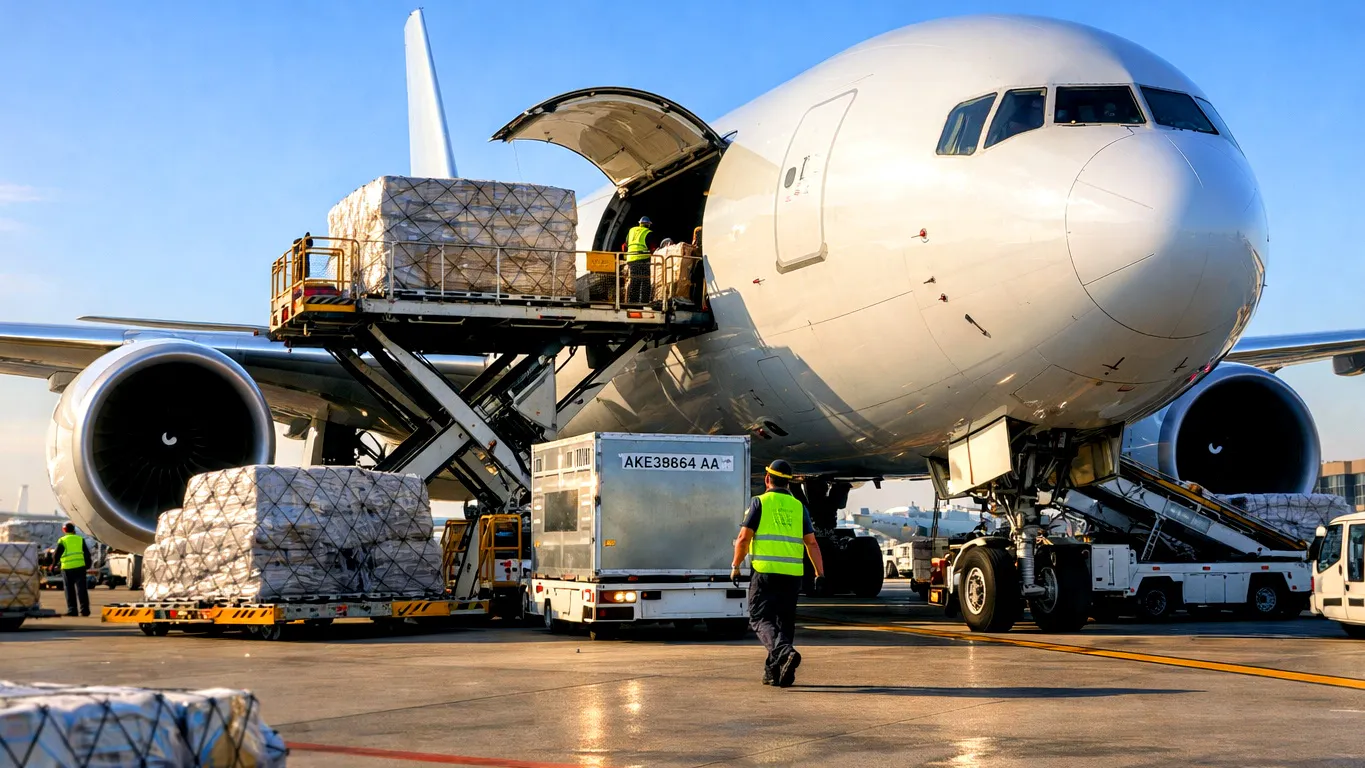
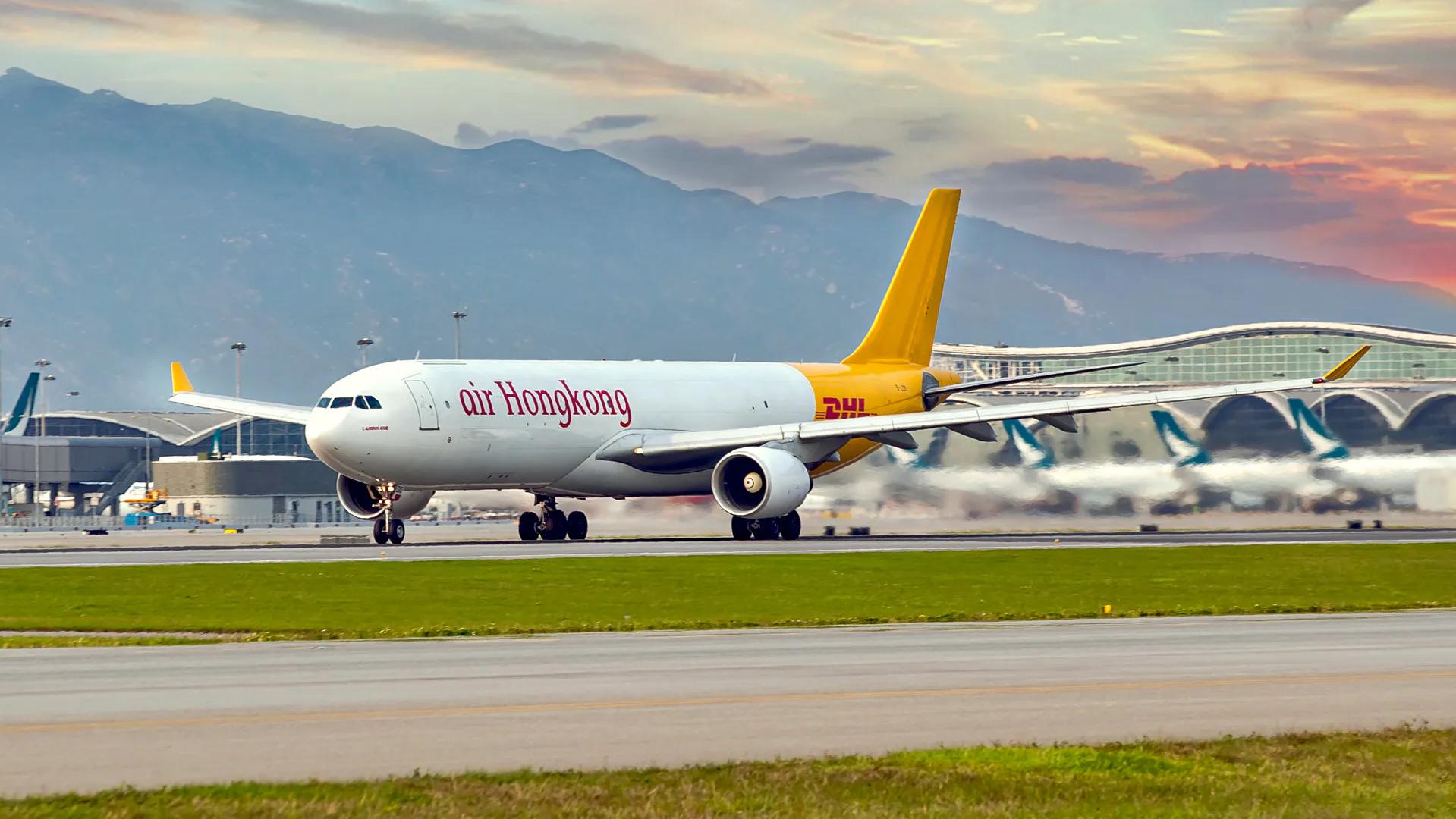
Dhaka: Global air cargo capacity is expanding, but the growth is failing to ease pressure on the airfreight market, according to DHL Global Forwarding (DGF).
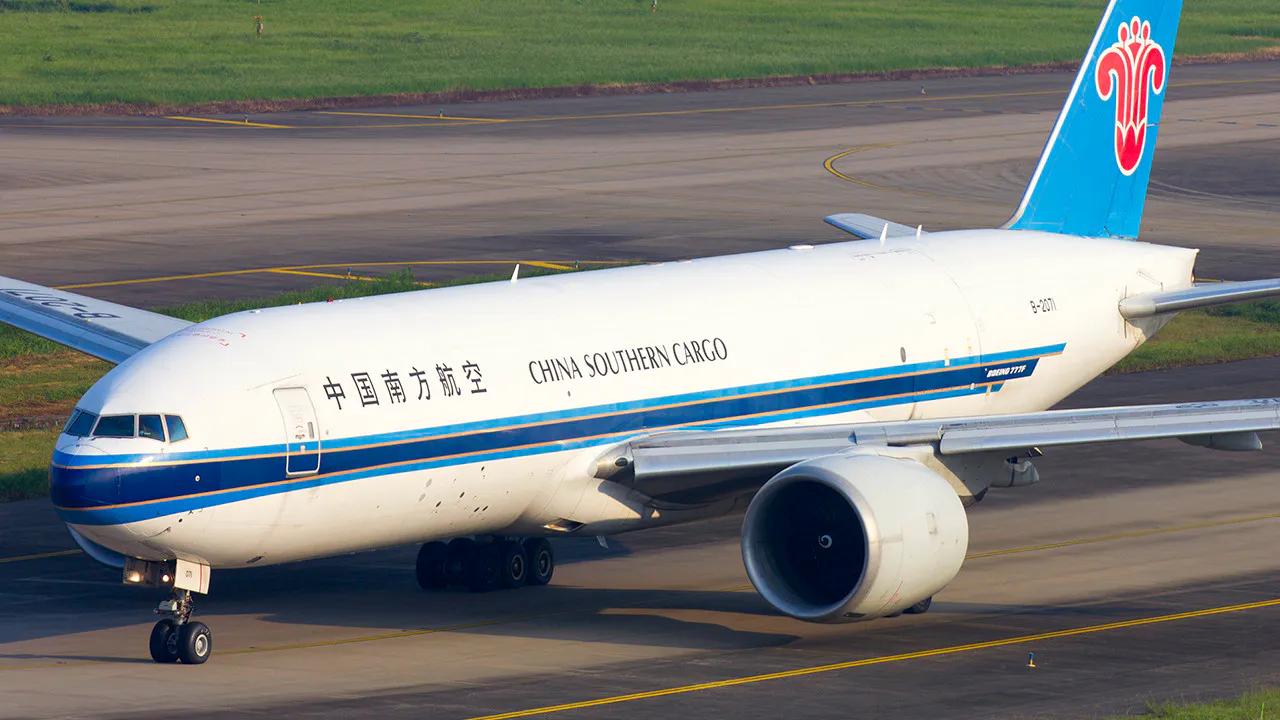
In its Air & Ocean Lens newsletter, the freight forwarder noted that global air capacity rose 2% year on year in May, with Asia Pacific contributing the bulk of that growth.
However, DGF cautioned that the expansion remains selective, as airlines are prioritizing long-haul, high-yield routes while passenger belly capacity declined 3% year-on-year.
Air cargo demand grew 5% year on year in April and remains up 4% year to date.
Asia accounts for roughly half of global volumes, expanding at 8% over the same period, driven by high-value semiconductor and AI-related equipment shipments.
Global spot rates are holding at approximately USD 3.67 per kilogram, up 48% year on year, sustained by elevated operating costs and persistent demand.
DGF expects demand from Asia Pacific to remain resilient, underpinned by e-commerce growth, technology shipments, and ongoing supply chain diversification, while airlines continue to focus on high-yield corridors.
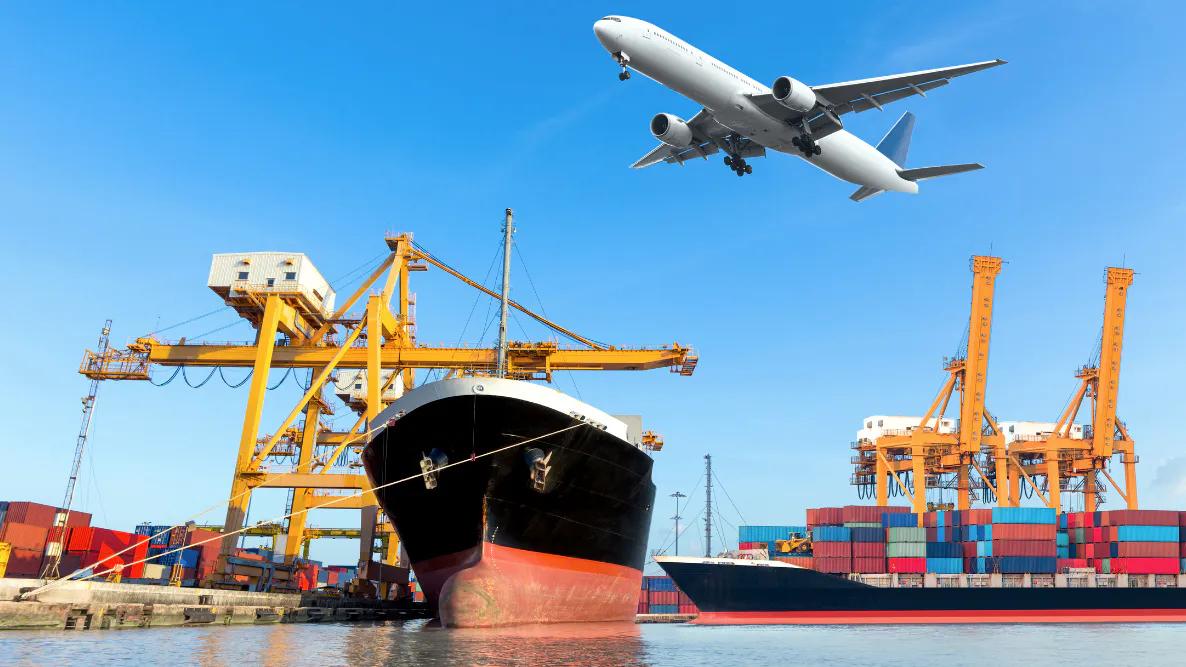
In the ocean market, an early peak season is tightening already constrained capacity. Bunker adjustment factors taking effect from July 1 are expected to come in higher than current levels, adding further pressure.
Shippers are responding by moving cargo earlier and booking more space than needed to guard against rollovers.
DGF noted that congestion, rerouting, and extended transit times are removing roughly 17% of usable capacity from the system, despite nominal fleet capacity continuing to increase.
Niki Frank, Chief Executive of DHL Global Forwarding Asia Pacific, said peak season is arriving earlier and with greater intensity, compressing volumes into shorter windows.
DGF added that a meaningful easing of rates will more likely follow a softening in demand than any rapid return of capacity.